

Composite Veneers: Results, Benefits, What to Expect & More
A confident smile is rarely about perfection. It is usually about balance, proportion, and feeling comfortable when you speak, laugh, and smile.
Small cosmetic concerns such as chipped edges, uneven tooth shape, minor spacing, or discoloration can sometimes affect confidence more than expected. That is why cosmetic dental treatments continue to become more popular among patients looking for noticeable improvements without major treatment.
One of the most requested options today is composite veneers.
Composite veneers are designed to improve the appearance of teeth in a conservative and aesthetic way while preserving natural tooth structure wherever possible.
If you are exploring cosmetic smile improvements and wondering whether composite veneers could be the right choice, this guide explains everything you need to know.
What Are Composite Veneers?
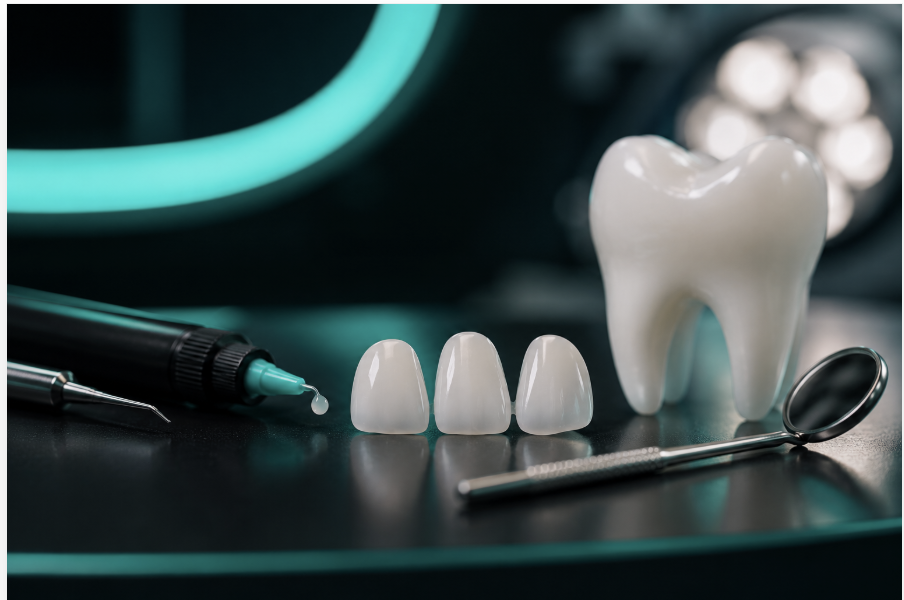
Composite veneers are thin layers of tooth-coloured composite resin carefully shaped and applied to the front surface of teeth to improve their appearance.
They are commonly used to enhance:
Tooth colour
Minor chips and cracks
Small gaps between teeth
Uneven tooth edges
Mild shape irregularities
Unlike more extensive restorative treatments, composite veneers focus primarily on aesthetics while maintaining a natural look.
Treatment is usually personalised based on facial proportions, smile design, and the overall condition of the teeth.
Patients considering cosmetic improvements often compare composite treatment with other aesthetic options such as dental veneers to better understand long-term expectations.
How Do Composite Veneers Work?
The process begins with evaluating the current smile and identifying what improvements are realistic.
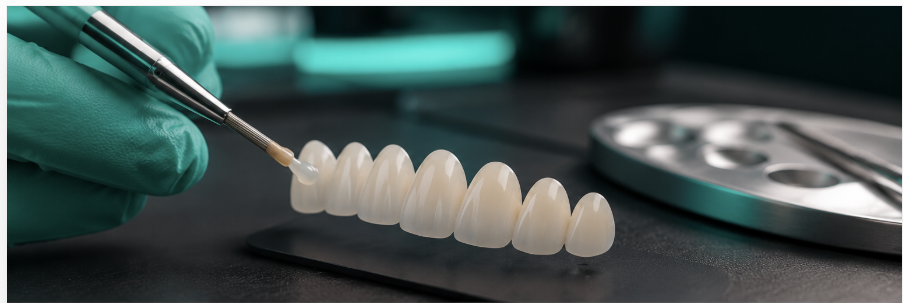
Composite material is then carefully layered and sculpted directly onto the tooth surface to create a smoother, brighter, and more balanced appearance.
The treatment generally follows this approach:
Smile Assessment
Your dentist evaluates tooth colour, shape, bite, and overall facial harmony.
Surface Preparation
Minimal preparation may be completed depending on the treatment plan.
Composite Application
High-quality resin is applied in layers and shaped precisely.
Finishing and Polishing
Final adjustments create a natural appearance and smooth finish.
The goal is not to create an artificial “perfect smile,” but rather a result that feels natural and suits each patient individually.
Benefits of Choosing Composite Veneers
Composite veneers remain popular because they offer cosmetic improvement while often requiring less intervention than more extensive treatments.
Patients frequently choose composite veneers because they may offer:
✓ Natural-looking improvements
✓ Conservative treatment approach
✓ Faster smile enhancement
✓ Repairable material if needed
✓ Custom shaping for each smile
Another advantage is flexibility.
Minor future adjustments may sometimes be possible without replacing the entire restoration.
Patients focused on achieving a brighter smile often combine cosmetic planning with understanding the best teeth whitening options before deciding whether whitening alone may achieve their goals.
Composite Bonding vs Veneers: Which Option Is Right for You?
This is one of the most common cosmetic questions.
Although these treatments may appear similar, their purpose and outcomes can vary depending on individual goals.
Composite Bonding
Often used for:
Small repairs
Minor chips
Limited cosmetic corrections
Composite Veneers
Often considered for:
Multiple teeth improvements
Smile balance
Shape refinement
More complete cosmetic enhancement
The better option depends on:
Desired longevity
Current tooth condition
Smile expectations
Level of cosmetic change
If you are comparing approaches in greater detail, understanding the differences between veneers and composite bonding can make treatment decisions much easier.
The Composite Veneers Procedure: Step by Step
Every smile is unique, but treatment commonly follows several stages.
Consultation and Planning
Discussion of goals, expectations, and smile assessment.
Smile Preparation
Minor preparation when required.
Composite Sculpting
Layering and shaping the composite material.
Final Finishing
Polishing and evaluating the final appearance.
Aftercare Guidance
Long-term maintenance recommendations.
To help maintain cosmetic results:
Avoid excessive biting on hard objects
Maintain routine oral hygiene
Attend regular dental reviews
Follow personalised care recommendations
Consistency after treatment plays a major role in preserving aesthetics.
How Freedom Dental Clinic Offers the Best Composite in Dublin?
Cosmetic dentistry should improve appearance while preserving natural character.
At Freedom Dental, treatment planning focuses on achieving results that feel balanced, personalised, and long-lasting.
Patients choose Freedom Dental because of:
Individual smile planning
Attention to facial aesthetics
Conservative treatment philosophy
Natural-looking outcomes
Patient-focused care
Every treatment begins with understanding the smile you already have and improving it in a way that still feels like you.
Conclusion
Composite veneers continue to be one of the most flexible cosmetic options for patients seeking meaningful improvements without extensive treatment.
Whether the goal is correcting minor imperfections, improving symmetry, or refreshing the appearance of your smile, professional planning plays an important role in achieving natural-looking results.
The best cosmetic treatment is rarely the brightest or most dramatic; it is the one that feels balanced, healthy, and confidently yours.